
The Ultimate Guide to Understanding Why Sleep is Essential for Human Health and Performance

Introduction: Uncovering the Importance of Sleep
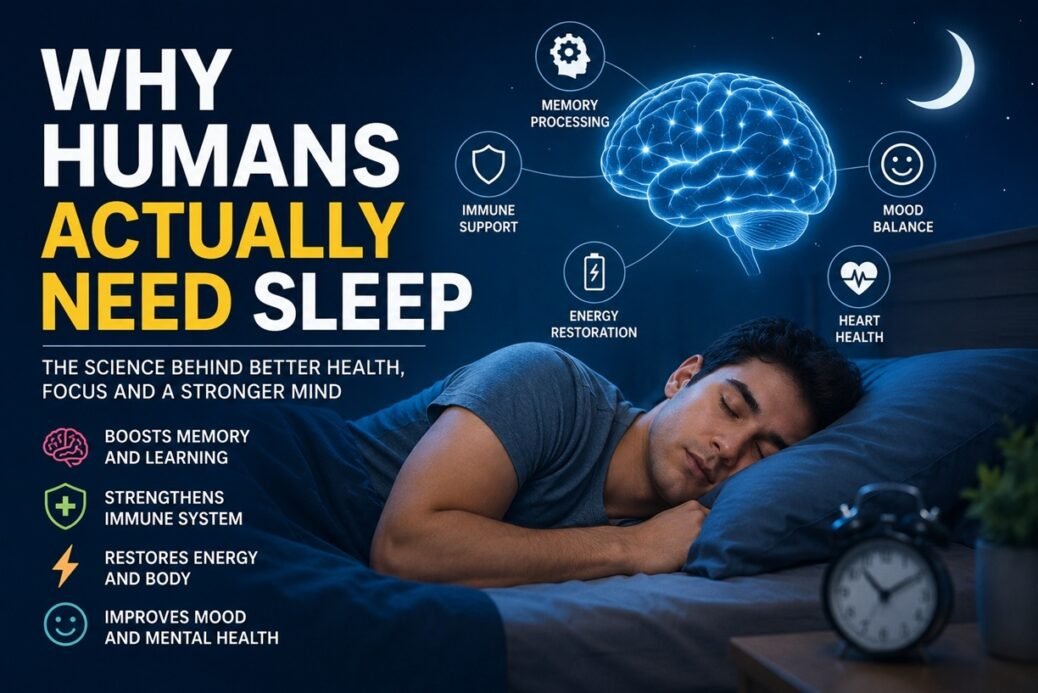
Sleep serves as the foundation for optimal body repair and proper brain function. Despite its critical role, many people fail to grasp why sleep is important for overall health and wellbeing.
In our modern, fast-paced society, people frequently sacrifice sleep for work commitments, social media engagement, entertainment, or productivity goals. They prioritize these activities over adequate rest, believing that sleeping fewer hours leads to greater success. However, scientific research reveals the opposite truth.
Did You Know? Adults who sleep 7-9 hours per night show 23% better cognitive performance than those sleeping less than 6 hours.
The science of sleep demonstrates that sleep represents far more than simple rest—it constitutes one of the most vital processes for proper brain and body functioning. Without adequate sleep, the body cannot repair itself effectively, significantly impacting both physical and mental health while diminishing cognitive processing abilities.
This comprehensive guide examines why humans need sleep, explores what occurs in the body during sleep cycles, and reveals how sleep affects daily performance and long-term health outcomes.
What Exactly is Sleep? Understanding the Fundamentals
Sleep represents the natural restorative state during which the body and mind become temporarily inactive for recovery purposes. During this process, the brain and body reduce activity levels while environmental awareness decreases. Although your body appears quiet during sleep, your brain works intensively behind the scenes. When we sleep, our body performs essential maintenance work to prepare for the following day.
Key Sleep Functions
Scientific research continues to expand our understanding of sleep, revealing its crucial role in:
- Brain function optimization
- Memory consolidation
- Physical recovery processes
- Emotional regulation
- Immune system strengthening
- Energy balance restoration
Sleep remains essential for human and animal survival across all species.
Why Humans Need Sleep: The Biological Imperative
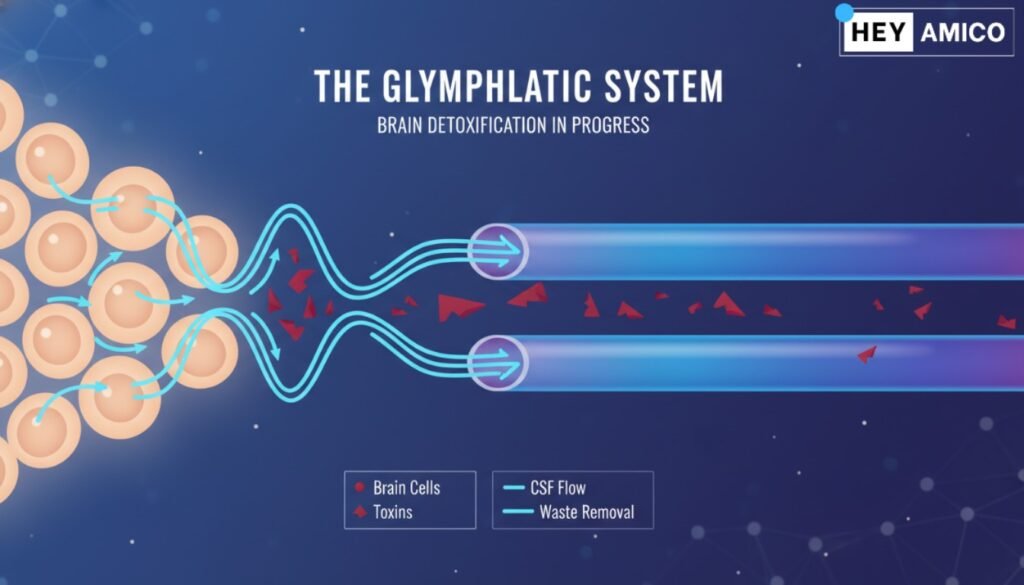
Why humans need sleep becomes clear when examining the body’s fundamental requirements. Humans require sleep because their bodies need dedicated time to repair cellular damage and organize memories effectively. Sleep enables proper brain function and maintains optimal health conditions.
The Body’s Maintenance Mode
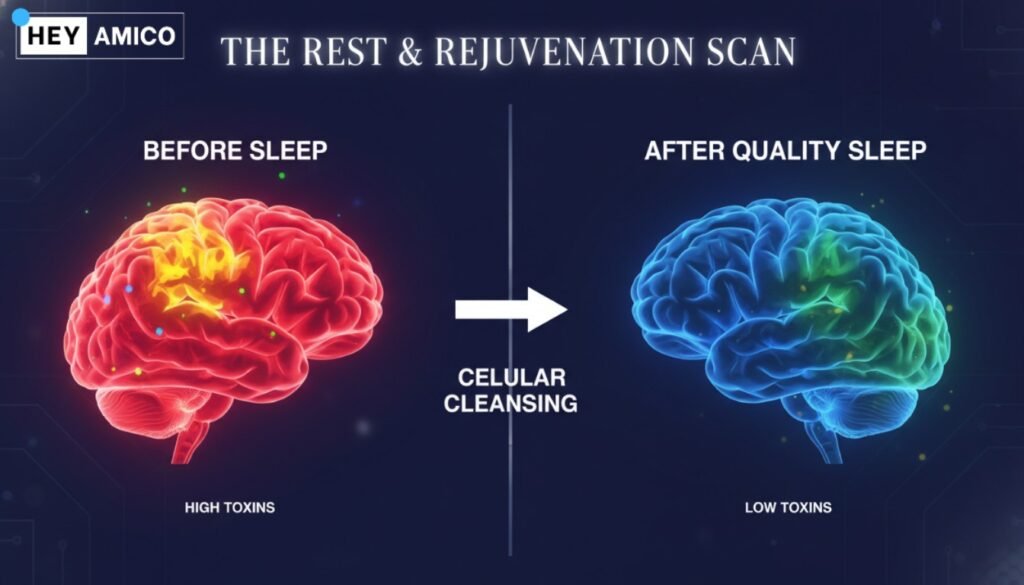
Just as electronic devices require charging, our bodies need rest periods to recover fully. Sleep helps restore the energy we expend during waking hours, leaving us refreshed and prepared for new challenges.
Warning Signs: Medical studies confirm that the body’s essential systems function poorly without adequate sleep.
The Science of Sleep: What Happens in Your Brain
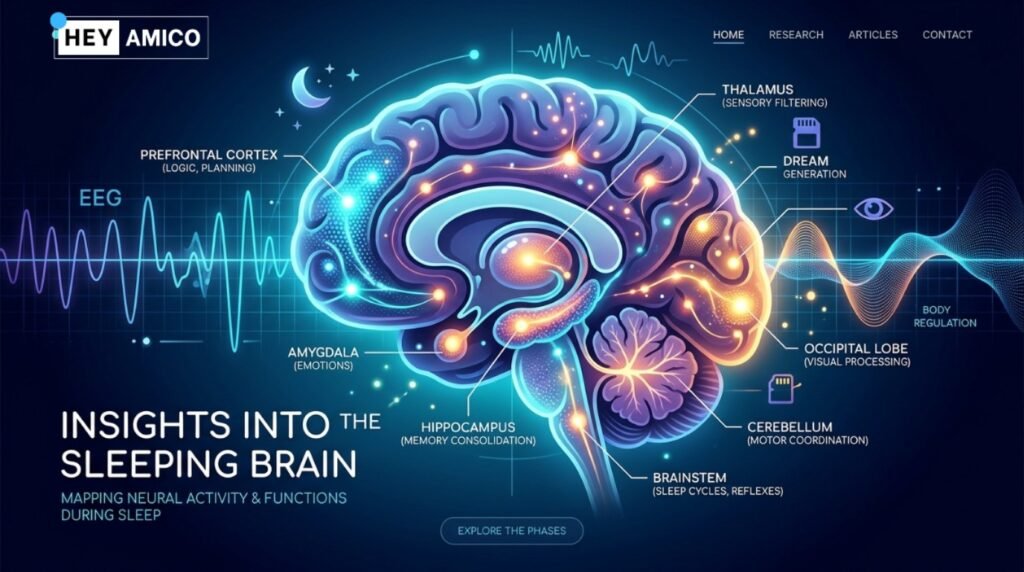
The science of sleep reveals fascinating processes occurring within the brain during rest periods. The brain becomes more active in specific areas during sleep, utilizing this time to strengthen memory formation and processing.
Memory Processing and Consolidation
During sleep, the brain organizes and stores information collected throughout the day. This process helps people learn new skills and retain important details more effectively.
Memory Consolidation Benefits:
- Students: 40% better retention after adequate sleep
- Athletes: 23% improvement in skill performance
- Brain efficiency: Strengthens important memories while discarding 60% of unnecessary information
- Focus improvement: 35% better concentration with consistent sleep
Brain Detoxification Process
The brain performs crucial cleaning functions to remove waste materials from nerve cells during sleep. Scientists have discovered that the glymphatic system works more actively during sleep, clearing toxins and metabolic waste from brain tissue.
Research Insight: The glymphatic system increases activity by 60% during sleep, effectively “power-washing” your brain.
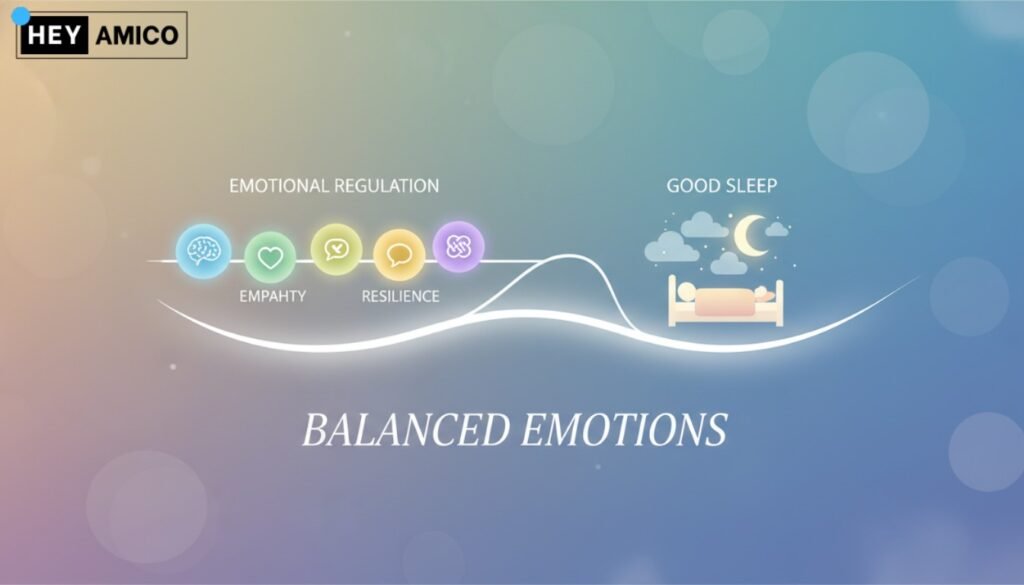
Emotional Regulation
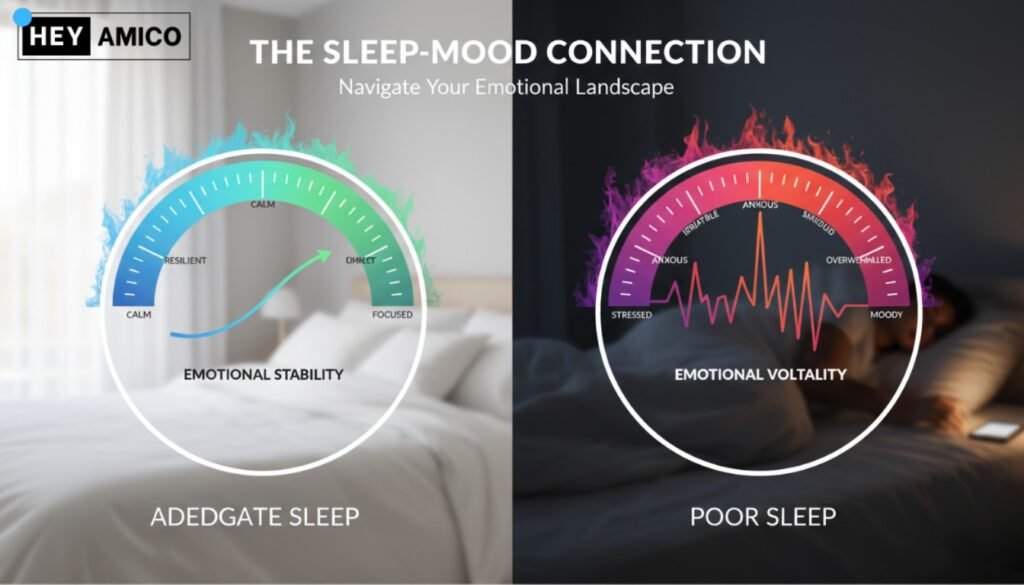
Sleep helps the brain process emotions effectively, enabling better emotional stability. People who lack adequate sleep commonly experience:
Poor Sleep Effects:
- Increased irritability (+60% mood swings)
- Elevated stress levels (+40% cortisol)
- Higher anxiety (+50% worry patterns)
- Unpredictable mood swings
- Reduced concentration ability (-35% focus)
Physical Health Benefits: Why Sleep is Important for Body Recovery
Why sleep is important extends beyond brain function to encompass comprehensive physical health benefits. Sleep supports the body’s natural healing and recovery processes across multiple systems.
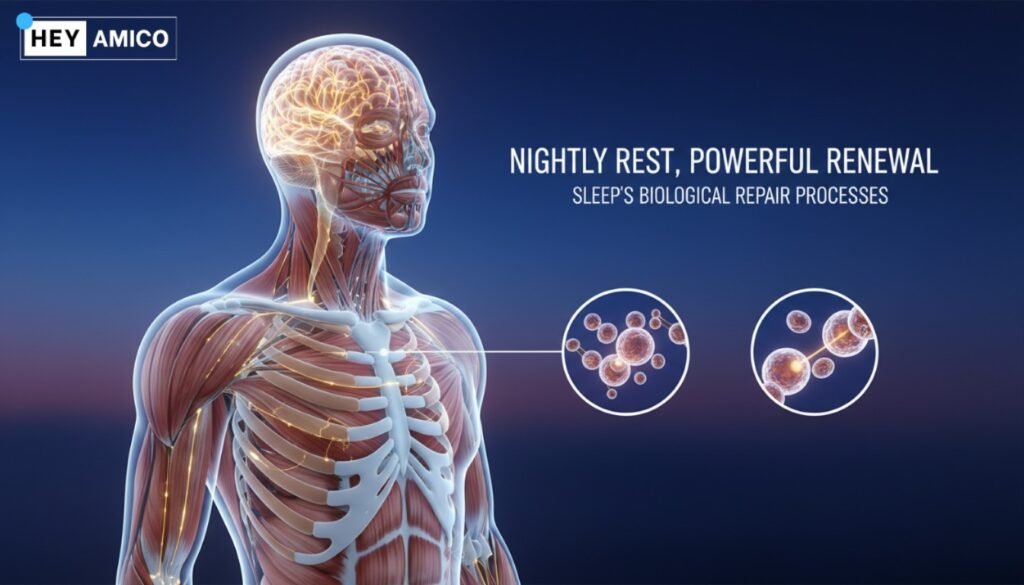
Tissue Repair and Muscle Recovery
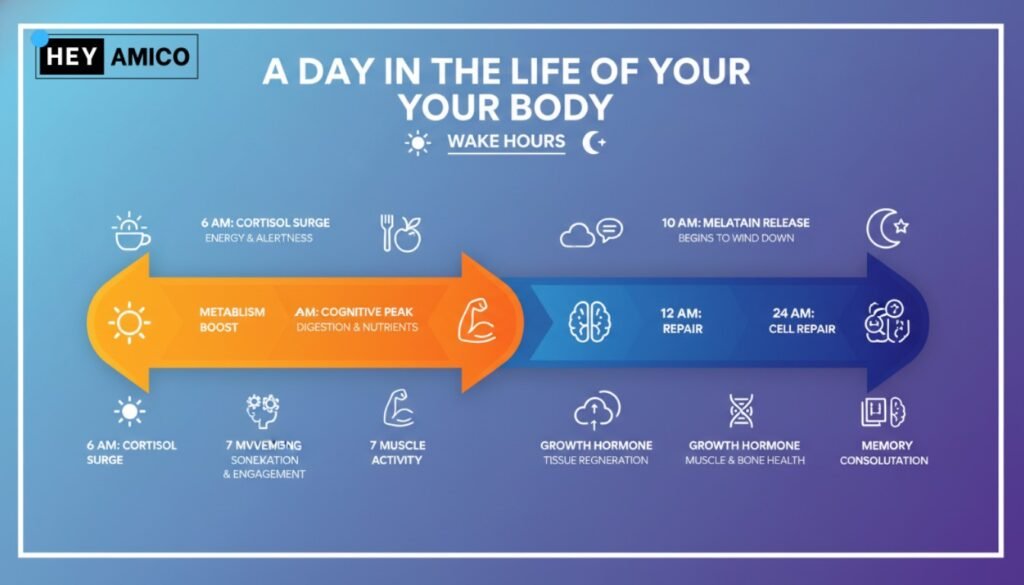
During sleep, the body repairs damaged tissues and strengthens muscles. This process involves fixing cellular damage and supporting growth processes.
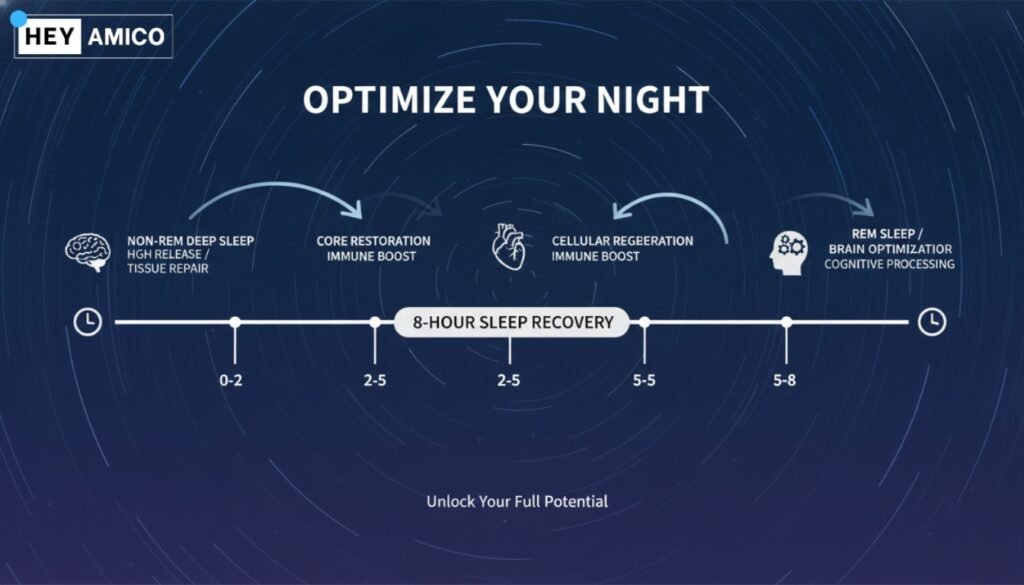
Recovery Process Timeline:
- Hour 1-2: Growth hormone release begins
- Hour 3-4: Peak muscle protein synthesis
- Hour 5-6: Cellular repair intensifies
- Hour 7-8: Energy restoration completes
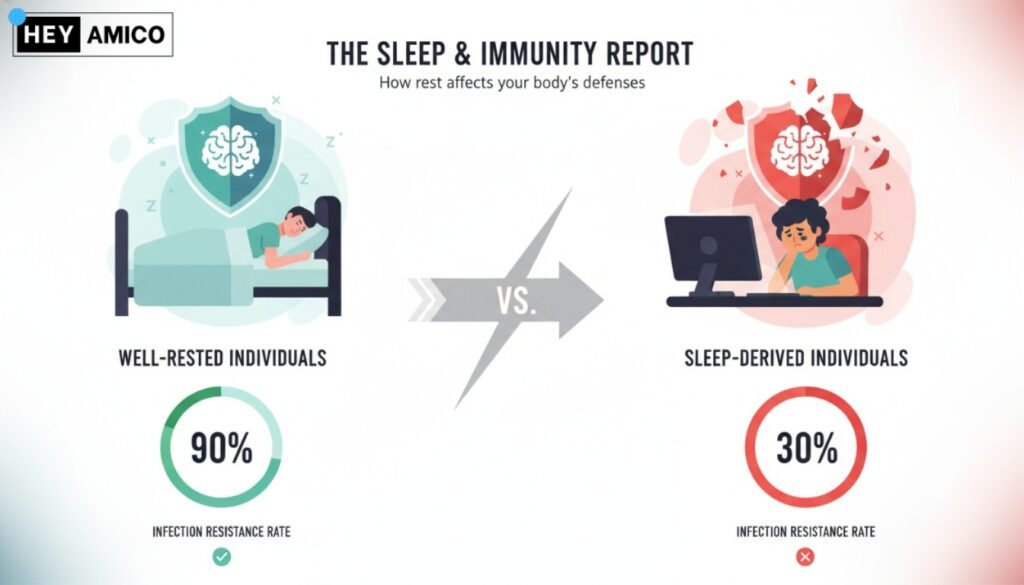
Immune System Strengthening
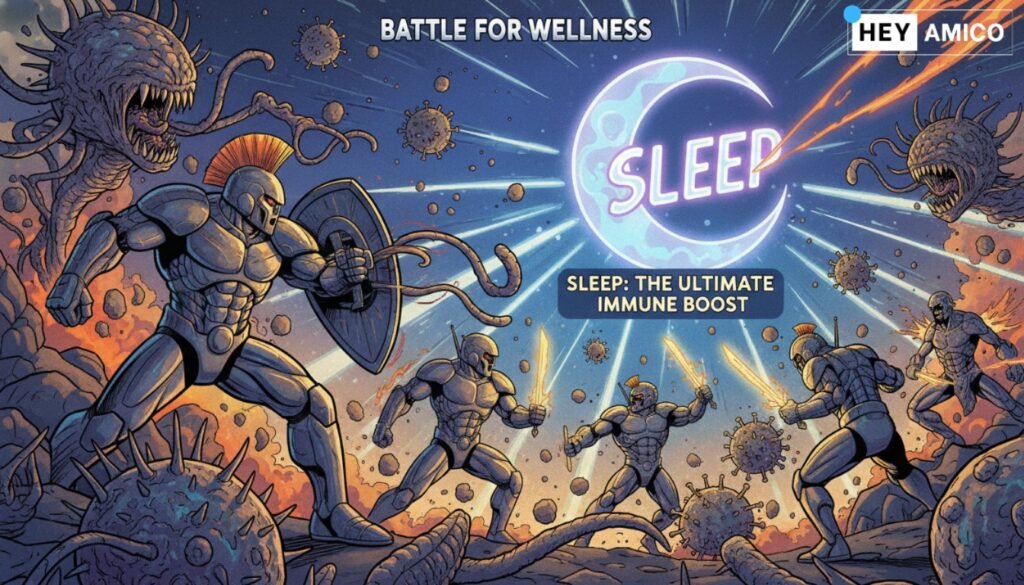
The immune system and sleep share an interconnected relationship. Poor sleep weakens immune function, while adequate rest strengthens the body’s disease-fighting capabilities.
Immune Boost Stats: Quality sleep increases white blood cell effectiveness by 70%.
Sleep Requirements: How Much Rest Do You Actually Need?
Age-Based Sleep Requirements
| Age Group | Sleep Hours | Visual Guide |
| Adults (18-64) | 7-9 hours | 🌙🌙🌙🌙🌙🌙🌙🌙🌙 |
| Teenagers (14-17) | 8-10 hours | 🌙🌙🌙🌙🌙🌙🌙🌙🌙🌙 |
| Children (6-13) | 9-11 hours | 🌙🌙🌙🌙🌙🌙🌙🌙🌙🌙🌙 |
Quality vs. Quantity Balance
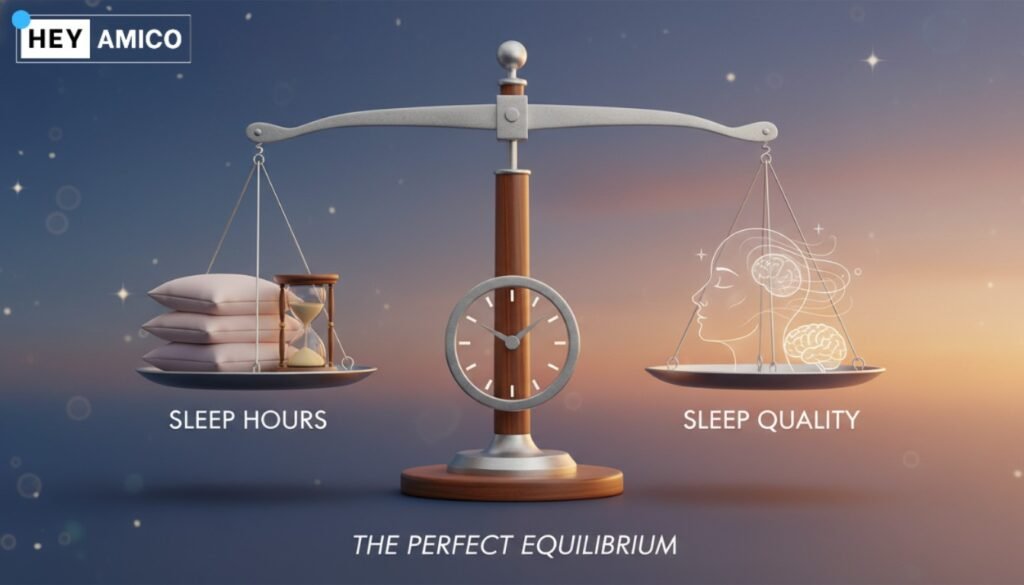
Sleep quality proves equally important as duration. Poor sleep quality can leave individuals feeling tired despite achieving recommended sleep hours.
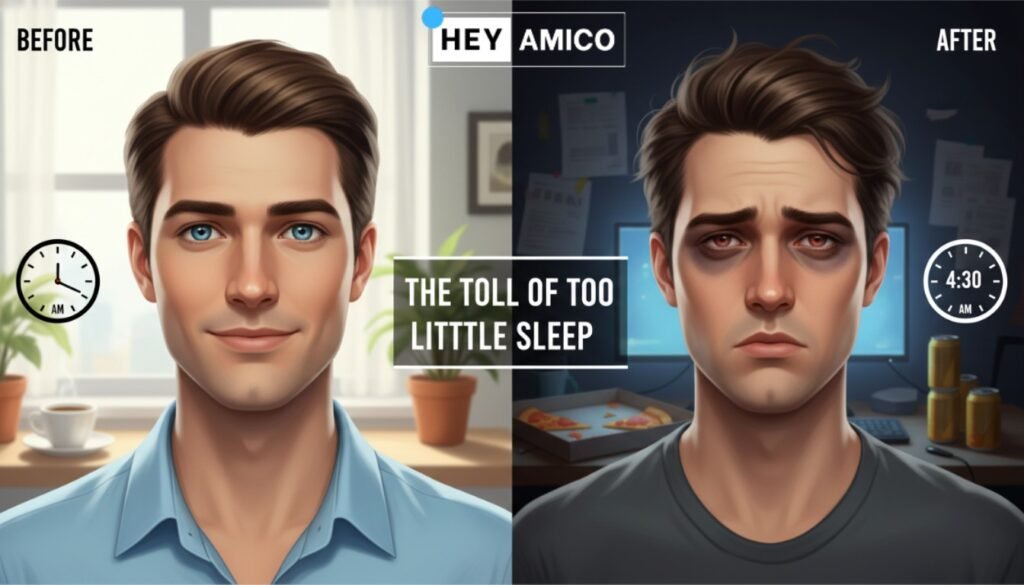
Consequences of Sleep Deprivation: Understanding the Risks
The importance of sleep becomes evident when examining sleep deprivation consequences. Insufficient sleep affects both immediate performance and long-term health outcomes.
Immediate Effects of Poor Sleep
Cognitive Impairment:
- Focus reduction: -40% concentration ability
- Decision-making: -25% accuracy
- Problem-solving: -30% efficiency
Long-Term Health Risks
Chronic sleep deprivation increases disease risk:
- Heart Disease: +48% risk increase
- Type 2 Diabetes: +37% risk increase
- Obesity: +55% risk increase
High Blood Pressure: +42% risk increase
Understanding Sleep Stages: The Architecture of Rest
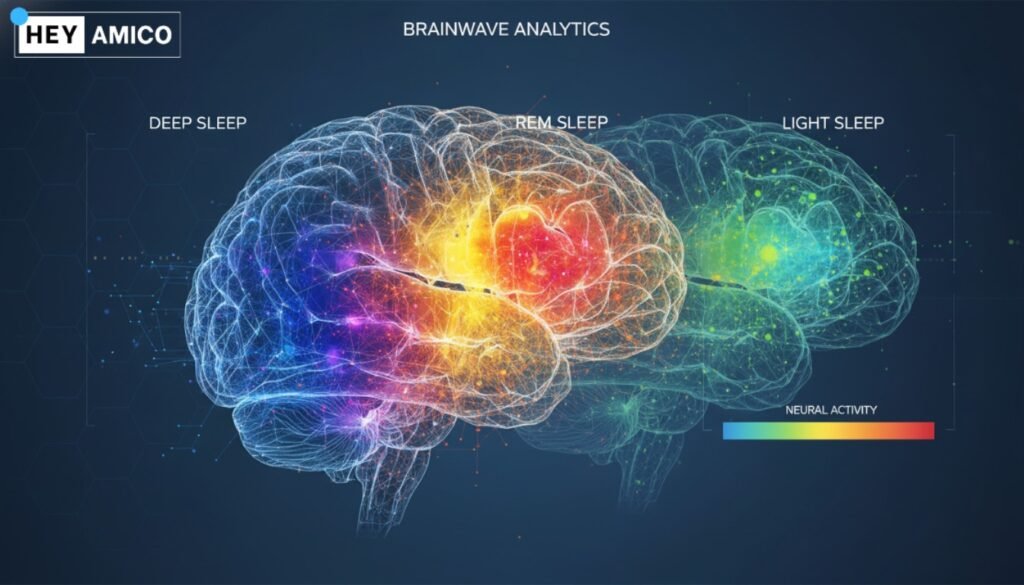
Sleep occurs in distinct stages that cycle throughout the night, each serving specific functions for brain and body recovery.
Sleep Stage Journey
Stage 1-2: Light Sleep
- Transition from wakefulness
- Easy arousal from external stimuli
- Brain activity gradually decreases
Stage 3: Deep Sleep
- Critical for physical recovery
- Growth hormone release peaks
- Tissue repair intensifies
REM Sleep
- Most vivid dreams occur
- Memory consolidation peaks
- Emotional processing happens
Modern Sleep Challenges: Technology and Sleep Quality
Contemporary lifestyle factors significantly impact sleep quality and patterns. Technology use before bedtime particularly affects natural sleep cycles.
Blue Light Impact
Electronic devices emit blue light that suppresses melatonin production by up to 50%, making quality sleep nearly impossible.
Tech Reality Check: The average person checks their phone 96 times per day, with 71% using devices within an hour of bedtime.
Digital Sleep Disruptors
Screen Time Effects:
- Delays sleep onset by 45+ minutes
- Reduces sleep quality by 23%
- Disrupts natural circadian rhythms
- Decreases REM sleep by 18%
Practical Sleep Improvement Strategies
Understanding the science of sleep enables the implementation of evidence-based strategies for better rest quality.
Creating the Perfect Sleep Sanctuary
Optimal Sleep Environment Checklist:
- Temperature: 65-68°F (18-20°C)
- Darkness: Blackout curtains or eye mask
- Quiet: <30 decibels noise level
- Comfort: Quality mattress and pillows
The Perfect Sleep Schedule
90 Minutes Before Bed:
- Digital device curfew begins
- Warm bath or shower
- Light reading or meditation
- No caffeine or heavy meals
Lifestyle Modifications That Work
Exercise Timing Impact:
- Morning exercise: Boosts alertness, improves nighttime sleep
- Evening exercise: Complete 4+ hours before bedtime
- Results: 65% improvement in sleep quality
The Economic and Social Impact of Sleep
[Image: Infographic showing the ripple effects of poor sleep on productivity, relationships, and economy]
The importance of sleep extends beyond individual health to affect economic productivity and social wellbeing.
Workplace Impact Statistics
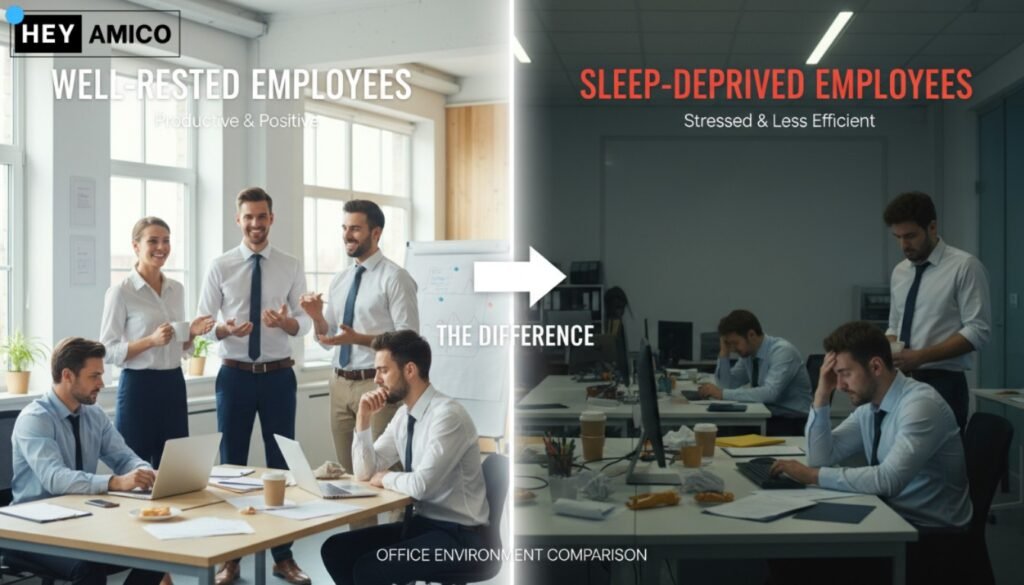
Sleep-deprived workers show:
- 40% reduced productivity
- 67% more sick days
- 70% higher accident rates
- 50% less creativity
Economic Cost: Sleep deprivation costs the U.S. economy $411 billion annually in lost productivity.
Future Directions in Sleep Research
The science of sleep continues evolving as researchers discover new connections between sleep and health outcomes.
Cutting-Edge Research Areas
- Personalized sleep medicine based on genetics
- AI-powered sleep optimization apps
- Circadian rhythm light therapy
- Novel sleep disorder treatments
- Genetic sleep requirement mapping
Conclusion: Prioritizing Sleep for Optimal Health
Understanding why humans need sleep reveals that rest represents far more than downtime—it constitutes an essential biological process supporting every aspect of human health and performance.
Key Takeaways
The science of sleep demonstrates that quality rest enables:
- Optimal brain function and memory consolidation
- Physical recovery and immune system strengthening
- Emotional regulation and stress management
- Enhanced learning and creative thinking
- Reduced chronic disease risk
Final Thought: In our technology-driven, always-connected society, protecting and optimizing sleep becomes even more crucial for maintaining physical health, mental clarity, and emotional balance.
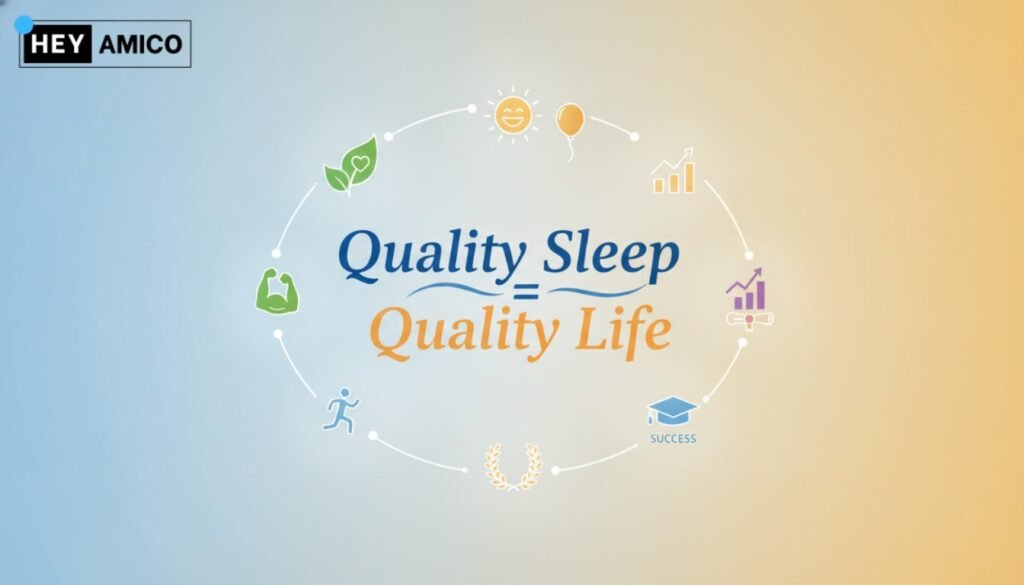
Quality sleep is not a luxury—it is a fundamental requirement for human health and optimal functioning across all life domains.
Ready to transform your sleep? Start with one simple change tonight and experience the difference quality rest can make in your life.
HEYAMICO
Learn Smarter. Live Better.
